Do Videographers Give Raw Footage? What a Business Should Get in Writing Before the Shoot

Do videographers give raw footage? Some do and many don't, and it mostly comes down to what you hired them to do. If you booked a shooter by the day to film for your own editor, the raw footage is usually the whole deliverable. If you hired a videographer or production team to film and edit, the default is often that you get the finished videos and they keep the camera files unless the quote says otherwise. Either way, the fix is the same: decide what you want before the shoot and put it in writing.
I'm Bryson Valencia, and I run Social Cuts, a marketing agency in Austin that leads with video. Footage is the raw material for almost everything we make, so I think about it a lot. This guide is written for the business on the buying side: what to ask for, which files are actually useful, what it tends to cost, who owns what, and what to do if you already hired someone and can't get your files.
The short answer: do videographers give raw footage?
It depends on the kind of hire. Here's how it usually breaks down:
| What you hired | Raw footage by default? | What to do |
|---|---|---|
| A shooter for the day, no editing | Usually yes. Footage is the product. | Confirm format, audio files, and how it gets to you. |
| A videographer who films and edits | Often no. You get the finished videos. | Ask for raw files in the quote, with a price. |
| A production company for a commercial or brand film | Often no, or only for a licensing fee. | Negotiate it up front. It gets more expensive later. |
| A marketing agency running your content every month | Varies. Ask how footage is stored and shared. | Agree who can access the library and what happens if you part ways. |
PremiumBeat put it plainly in its advice to freelancers: a shooter hired only to shoot has no real reason to withhold footage, while a production company that is also editing can fairly say you bought the final product. That's the split you'll run into in the real world.
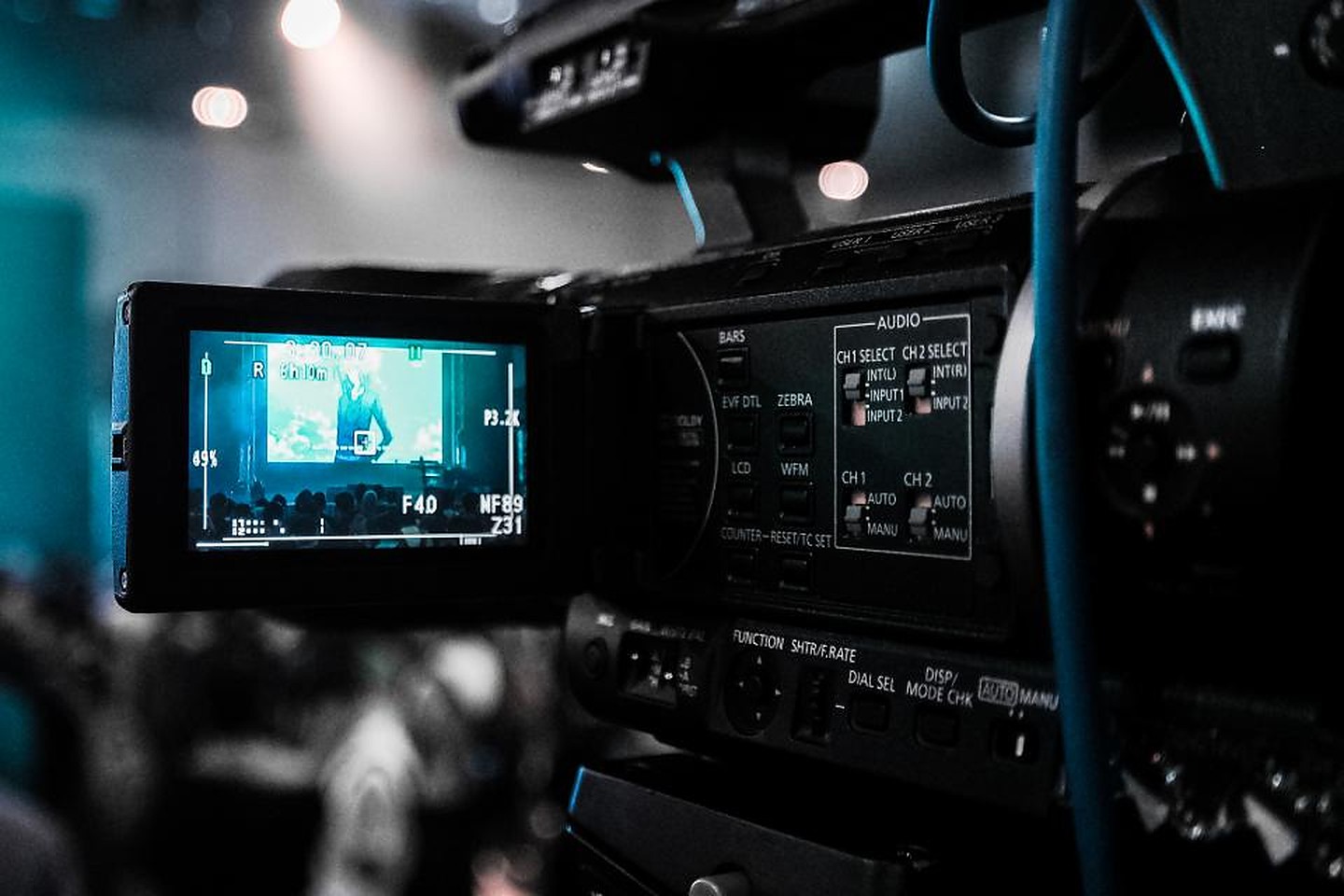
Why many videographers don't hand over raw footage
When a videographer says no, it isn't always about being difficult. Some of the reasons are fair:
- The files are huge. A full shoot day can be hundreds of gigabytes. Someone has to organize it, copy it, check it, and ship it.
- Raw usually means ungraded. Many cameras record flat, low contrast footage meant to be color graded later. Intrigue Studios explains that raw footage needs a colorist before it looks right, so out of context it can look worse than what you saw in the edit.
- Bad takes travel. Raw footage includes every flubbed line, every out of focus shot, and every moment before someone was ready. A videographer doesn't want that cut into something with their name on it.
- Copyright starts with the creator. Under US law the person who shoots it owns it unless a written agreement says otherwise. More on that below.
- Future edits are future revenue. This is the less flattering reason. If they hold the footage, every new cutdown has to come back to them.
None of those reasons mean you can't get it. They mean it's a scope item with a cost, and it should be treated like one before anyone rolls.
What "raw footage" actually means (and what you really want)
This is where most disputes start. A business asks for "the raw footage" and the videographer hears something different. Be specific. These are the pieces you can ask for:
| File type | What it is | Who needs it |
|---|---|---|
| Camera originals | Every clip exactly as recorded, full resolution, ungraded | An editor who will cut new videos, or anyone building an archive |
| Separate audio files | Recordings from lav mics and recorders, often better than camera audio | Anyone using interviews or talking parts. Ask for these by name. |
| Selects | The usable takes, trimmed and organized by topic or scene | Most marketing teams. This is often all you need. |
| Graded clips | Selects with color correction applied | Teams without a colorist who want clips that look finished |
| Proxies | Small, low resolution copies made for fast editing | Editors working on light laptops. Not a substitute for originals. |
| Project files | The editing timeline from Premiere, Final Cut, or Resolve | Rarely useful outside the original editor's setup, and often not offered |
| Finished masters | The final exported videos in full quality | Everyone. Make sure you get these in every format you need. |
If your goal is cutting a few more short videos later, selects with their audio usually beat a drive of every clip. If your goal is a long term library or moving to a new team, ask for camera originals plus audio.
When a business actually needs the raw files
Plenty of companies pay for raw footage and never open the drive. Before you negotiate for it, be honest about what you'll do with it. These are the cases where it pays off:
- You have or plan to hire an in house editor. They'll want originals and audio to cut new pieces without reshooting. If you're weighing that hire, our video editor salary and hiring costs guide covers what it takes.
- You want more cutdowns later. A single interview can feed a launch video, ads, and a run of short clips for months, if you have the footage.
- You're testing ads. Paid social burns through creative. Fresh hooks and alternate openings come from unused takes.
- You might switch vendors. If the relationship ends, a new team can pick up where the last one left off instead of starting from zero.
- The moment can't be filmed again. An event, a facility before a renovation, a founder story told for the first time. Archive it.
And when selects are enough: if you just want the finished video for your site and a few social posts, and you'll go back to the same partner for future edits, paying for every clip is often wasted money.
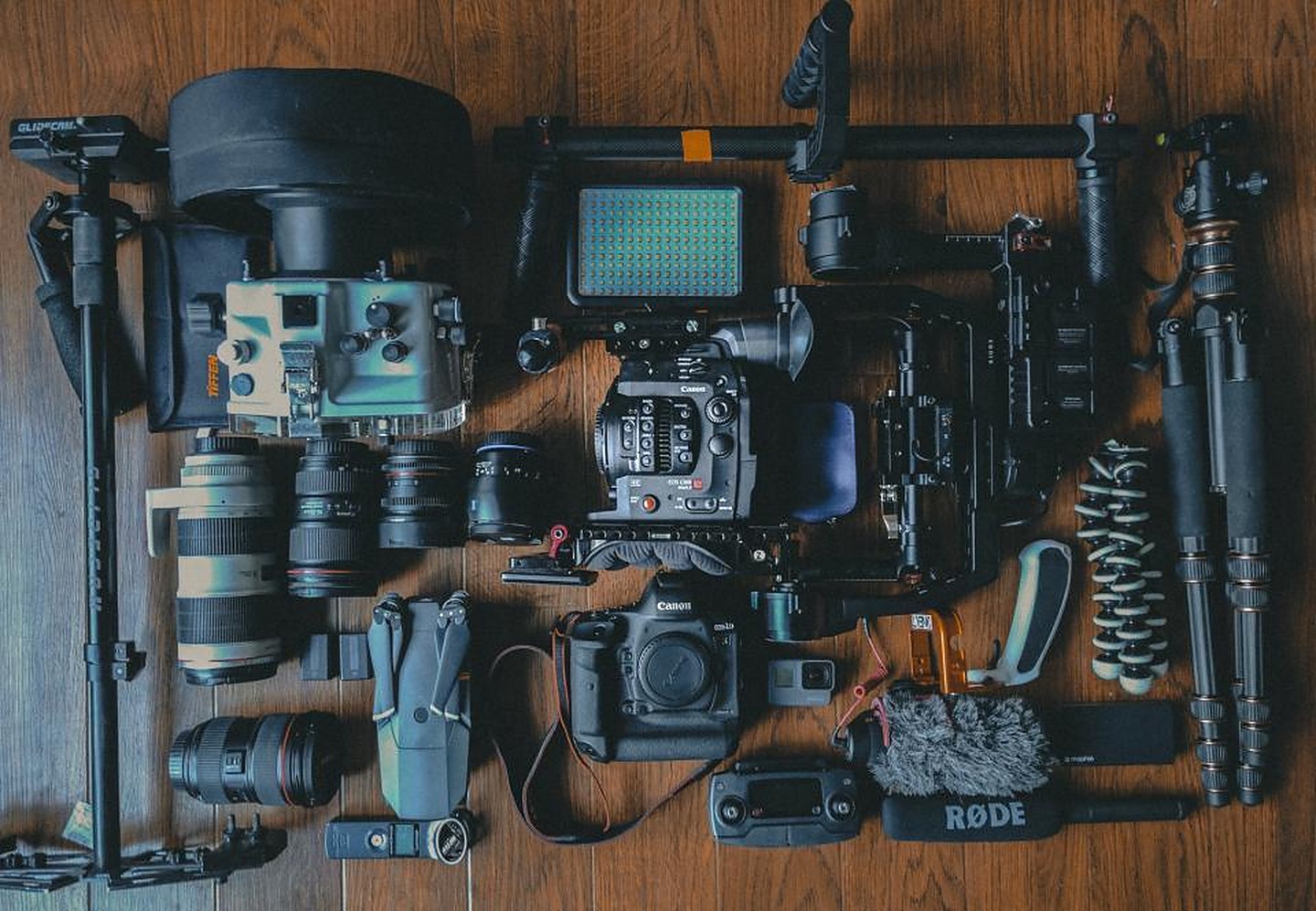
What raw footage costs: published examples
There's no standard price, and I'm not going to invent one. Here's what some companies publish themselves, so you can see the range:
- Lumersive lists raw footage as an add on at $200 per half day or $400 per full production day.
- Engage Video Production says raw footage is available on request starting at $500, varying by project.
- Intrigue Studios publishes a minimum of $5,000 or 15% of the total production cost, whichever is greater, and notes some companies charge far more for full rights.
- Minifridge Media says it typically includes raw footage and audio and charges for the drive it's delivered on.
Notice what drives the gap. The low numbers are mostly a handling fee for organizing and transferring files. The high numbers are a license for rights to footage from a bigger production. When you get a quote, ask which one you're paying for. For the bigger picture on day rates and editing costs, our videographer rates and video production pricing guide breaks it down.
One practical tip: it is almost always cheaper to agree on footage before the shoot than after. Before, it's a line item. After, it's a request someone has to say yes to.
Who owns raw footage after a shoot?
I'm not a lawyer, so take this as the question to raise, not legal advice. Under US copyright law the creator is normally the owner. The US Copyright Office's guide to works made for hire explains that a freelancer's work only becomes yours automatically when it falls in an eligible category (part of an audiovisual work counts), and both of you sign a written agreement that expressly calls it a work made for hire. Otherwise ownership has to move through a written assignment.
Paying the invoice doesn't settle it. As MovieMaker's cinema law column points out, a client who paid for a video can usually argue it has an implied license to use it, but the copyright in the footage and the edit stays with the creator unless the contract changes that.
In practice there are three common setups:
- Assignment or work made for hire. You own the footage and the edits outright and can do anything with them.
- License. The videographer keeps copyright and you get the right to use the videos, sometimes with limits on paid ads or reselling. Lumersive's published terms are a clear example of this model.
- Split. You own the finished videos, they keep the raw footage, and you can buy access later.
Any of those can be fine. The problem is not knowing which one you signed. Juro's videographer contract notes call raw footage ownership the most commonly misunderstood part of these agreements, and that matches what I see.
The raw footage clause: what to get in writing before the shoot
Whoever you hire, including us, make sure the quote or contract answers every one of these:
- Which files. Camera originals, separate audio, selects, graded clips, or some mix. Name them.
- Format and resolution. The codec and resolution the files will come in, and whether they're ungraded.
- Delivery method and deadline. Download link, drive you supply, or drive they supply, and how many days after the shoot.
- Price. Included, a flat handling fee, or a licensing fee. In writing, as a line item.
- Ownership or license. Do you own the footage, or do you have a license? Can you use it in paid ads, give it to another agency, or cut new videos from it?
- Archive period. How long they keep the footage after delivery, and what retrieval costs after that.
- Exclusions. Licensed music, stock clips, and graphics often can't be handed over or reused. Ask what's excluded.
- Portfolio use. Whether they can post your footage in their reel, and whether you need to approve it first.

Questions to ask a videographer before you sign
You can copy these straight into an email when you're comparing quotes:
- Is raw footage included in this quote? If not, what does it cost to add?
- Will I get the separate audio files from the lav mics and recorders?
- What format and resolution will the files be in? Will they be graded?
- How long do you keep footage after the project, and what does it cost to get it later?
- Who owns the footage and the finished videos? Can I use them in paid ads?
- If we stop working together, can I take the footage to another editor or agency?
A good partner answers these in one reply without getting defensive. Vague answers here usually mean vague answers later. If you're hiring for social specifically, our guide on how to hire a videographer for social media covers the rest of the brief, and for events see hiring an Austin event videographer.
Already hired someone and can't get your footage?
This happens more than it should. If you're there now, here's the order I'd go in:
- Read what you signed. The quote, the contract, and any emails about deliverables. That's what decides it.
- Ask specifically and politely. Say exactly which files you want, why, and that you'll cover reasonable handling and transfer costs.
- Offer a smaller ask. If they won't release everything, selects plus audio for the pieces you care about is often an easy yes.
- Move fast. Many videographers only keep footage for a limited time. Landed publishes 30 days after final delivery, and Lumersive keeps backups for 90 days.
- Get advice for big projects. If real money is at stake and the contract is unclear, talk to a lawyer instead of arguing over text.
Then fix it for next time. Every future quote should carry the clause above.
How we think about footage at Social Cuts
We're not a production shop that sells a single video and moves on. We're a marketing agency that leads with video, so footage is a content library we keep pulling from. A lot of the posts we make each month start from footage a client already has, not a new shoot.
That shapes how our shoots run. Our crews keep a lav on the subject all day with a shotgun mic always recording, and they upload everything that night without culling, so nothing usable gets thrown away before an editor sees it. That library is what lets one shoot feed a month of posts.
You can see the payoff on the Gordon Ryan channel, where 59 shorts cut from the long form videos have pulled 8.3 million views. None of that needed new filming. It came from footage that was already shot.
So my advice is the same whether you hire us or anyone else: treat footage as an asset, decide who can use it, and get that in writing. If you want to see how our video production in Austin fits into that kind of plan, start there, and if you're a founder putting yourself on camera, read our founder video guide. If you want to know quickly whether we're a fit, the 60 second quiz will tell you. Every other hiring guide we've written is on the articles page.
FAQ
Is it normal for a videographer not to give raw footage?
Yes, especially when they're also editing. Many treat raw files as working material and only hand them over for a fee. A shooter hired only to film should give you the footage, since that's the job.
Can I ask for raw footage after the shoot?
You can ask, but you have less leverage and the footage may already be deleted. Ask before the shoot and get the price in writing.
How long do videographers keep raw footage?
It varies a lot. Some publish 30 days, some 90 days, some longer for a fee. If you want the files, request them at delivery, not a year later.
Do I own the footage if I paid for the video?
Not automatically. In the US the creator owns it unless a signed agreement makes it a work made for hire or assigns it to you. Paying usually gets you the right to use the finished video, not ownership of every clip.
Why is raw footage so expensive from some companies?
A small fee covers organizing and transferring files. A large one is a license for rights to footage from a bigger production, which a company may see as worth far more than the handling time.
What format should raw footage come in?
Ask for the camera originals at full resolution plus the separate audio files, and ask whether they're graded. Proxies are fine for editing, but not as your only copy.
Do wedding videographers give raw footage?
Many offer it as an add on. ThePerfectWedding.com puts the typical add on at $200 to $400. Weddings are a different market, though. For a business, the bigger questions are rights, ad use, and whether your next editor can work with the files.