Hiring a Social Media Content Creator in Austin: UGC Creator, Part Time Hire, or Agency


If you're looking for a social media content creator in Austin to make content for your business every week, here's the short answer. Hire a UGC creator if you sell a product and need a handful of ad style videos fast. Hire a part time or in house creator if you already have a marketing person who can set the plan and you just need hands. Hire an agency if nobody on your team owns the strategy and you need one group to plan, film, edit, and post every week without you running it.
I'm Bryson Valencia, and I run Social Cuts, a marketing agency in Austin that leads with video. We plan, shoot, edit, and ship weekly content for companies here, so I talk to a lot of founders and marketing leads right at this decision. This guide is for the business doing the hiring. If you're a creator looking for work, the Austin job boards will serve you better than this page.
The short answer: which option fits your business
| Your situation | Best fit | Why |
|---|---|---|
| You sell a physical product or an app and want ad creative to test | A UGC creator paid per video | Fast, cheap per video, and built to look native in a feed |
| You have a marketing lead with a plan, but nobody to film and edit | A part time or in house content creator | A steady pair of hands who learns your brand over months |
| Nobody owns strategy and the founder is the bottleneck | An agency that plans, shoots, edits, and posts | One team owns the whole system, so content ships without you |
| You want to own the system yourself eventually | An agency now, then hand it to an internal hire | You get the playbook built, then keep it in house |
Most businesses that search this are really choosing between those three people. They all get called a "content creator," and that's where most bad hires start.
What does a social media content creator actually do?
The title covers three very different jobs. Before you post a listing or book anyone, decide which one you need.
The on camera creator
This person is the face. They talk to the camera, demo your product, react, and make it feel like a real customer found you. UGC creators live here. Many of them shoot on a phone in their own home and deliver an edited clip. Some will also post it to their own audience, which turns them into an influencer and changes the deal.
The shooter and editor
This person stays behind the camera. They film your team, your space, your product, and your founder, then cut it into posts. They're a craftsperson. If you need help judging that kind of hire, I wrote a separate guide on how to hire a videographer for social media that covers what one shoot day should get you.
The strategist who runs the channel
This person decides what to make and why. They pick the topics, write the hooks, set the posting schedule, read the numbers, and change the plan. A lot of job posts ask for this person and the other two in one hire. That person exists, but they're rare and they know it.
When a business tells me their last creator "didn't work out," it usually means they hired the first or second person and expected the third.
Option 1: a UGC creator paid per video
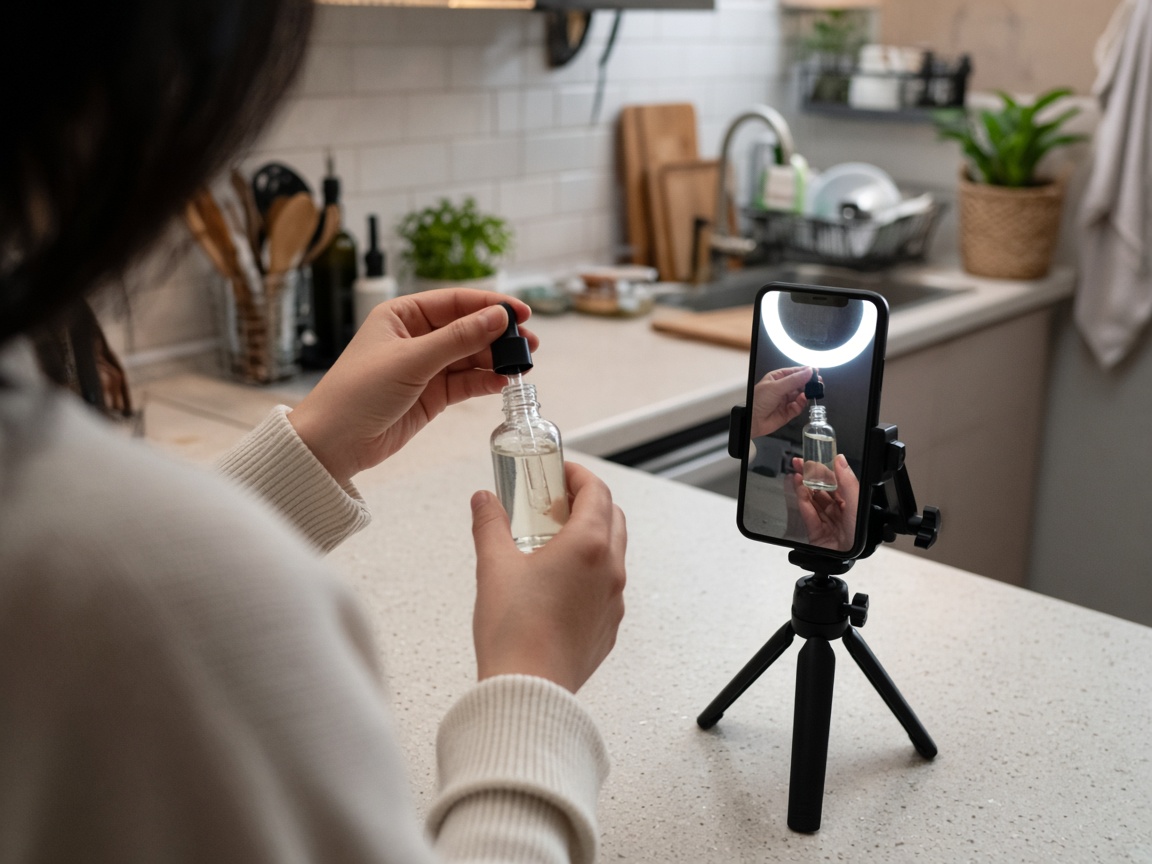
UGC stands for user generated content: videos that look like a customer made them. You send a product and a brief, the creator films and edits, and you get finished videos back. Most work remotely, so "Austin" matters less here than in the other two options.
What UGC creators charge
Use published rates, not guesses. One Austin based UGC creator lists a single video from $250 and a three video bundle from $700 on her own site, with organic use included and paid ads, whitelisting, and raw footage quoted as add ons. The UGCStars rate index puts the median starting rate at $150 per video across 922 creator profiles in its November 2026 edition. UGC Playground's 2026 guide lists monthly retainers of four videos running from $500 to $1,200 for beginners up to $2,400 to $5,000 or more for established creators.
The base price is rarely the whole bill. Running the video as a paid ad, keeping it longer, getting raw files, or asking for extra hooks usually costs more. Ask every creator to quote the same package so you can compare them line by line.
What breaks with a UGC creator
- They make the clip, not the plan. You still need someone deciding what to make next week and why.
- They don't edit for your brand. A creator's style is the product. It may look great on their reel and nothing like the rest of your feed.
- Usage rights get messy. If the price only covers organic posting, putting money behind it later is a new negotiation.
- It doesn't film your business. UGC is great for a product on a counter. It won't capture your team, your founder, or what makes your company different.
UGC is a strong tool for testing ads. It's a weak plan for an entire social presence.
Option 2: a part time or in house content creator in Austin

This is the hire most Austin businesses picture: someone local who shows up, films around the office, edits, and posts. Public Austin job posts are the best reference for what it costs and what companies expect.
- AVRO, an Austin brand, posted a 90 day social and content contract at $45 to $60 an hour for 15 to 20 hours a week, with a monthly cap of $5,200, an initial target of three finished short form videos a week, the contractor's own gear, and AVRO owning the final content and original footage.
- Faceplant Creative listed an Austin based freelance social content creator and ideator at $41,000 to $69,000 a year, working under a Content Director.
Read the AVRO post closely, because it's a good model. It names the output, the hours, the rate, who owns the footage, and how success gets judged at 30, 60, and 90 days. My math from that post: at the $5,200 cap and about 13 finished videos a month, you're paying roughly $400 a finished video, with publishing, captions, and reporting included. That's a fair deal for a business that already knows what it wants.
What breaks with a part time creator
- No strategy above them. A part timer at 15 to 20 hours a week can execute a plan. Asking them to invent the plan, film it, edit it, and post it in that time is how you get random content.
- One person, one style. Their camera, their edit, their taste. That's fine until you need a polished brand piece or an event covered while they're out.
- You become the manager. Someone on your side has to review, approve, and give feedback every week. Budget that time.
- Turnover resets everything. When they leave, the footage library, the templates, and the know how often leave too, unless you wrote it down.
If you go this route, write the job like AVRO did: name the deliverables, the hours, the owner of the footage, and the review rhythm. If you also need a dedicated editor, my guide to video editor salary and hiring costs covers that hire.
Option 3: an agency that plans, shoots, edits, and ships weekly
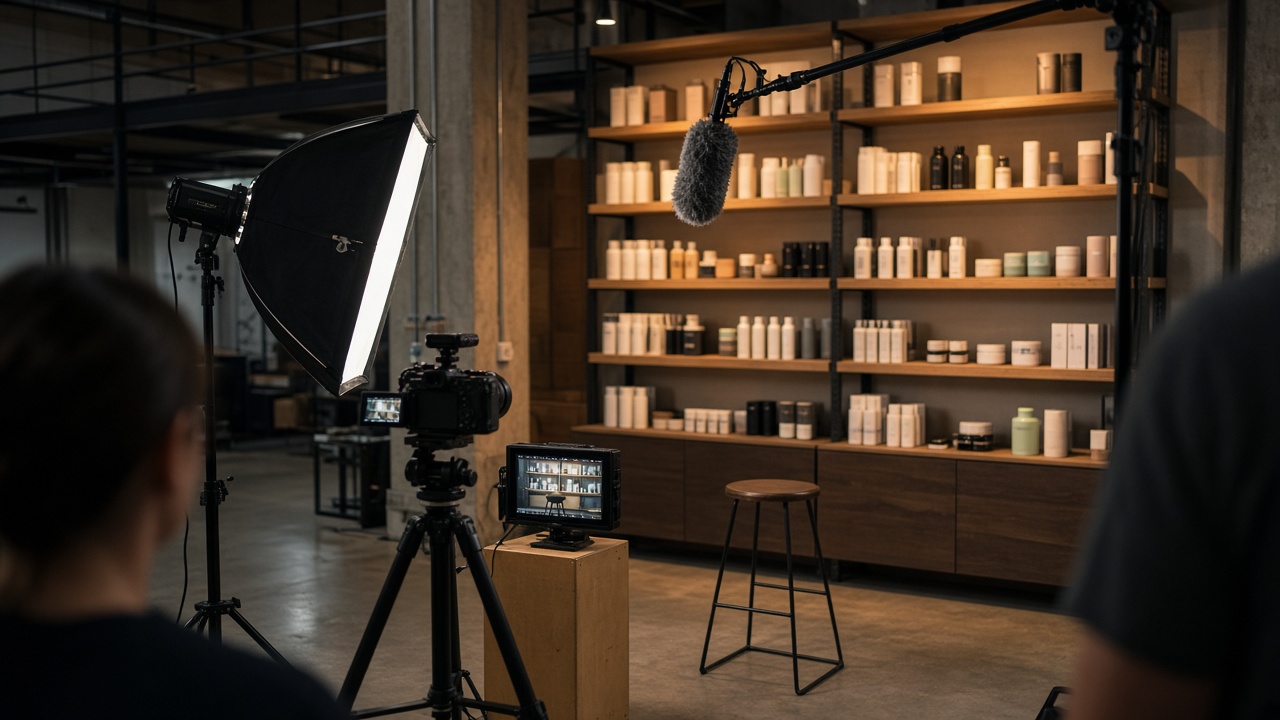
This is what we do at Social Cuts, so take my view with that in mind. An embedded agency handles all three jobs from earlier: the strategy, the shooting and editing, and running the channel. You get one point of contact and one plan, and content goes out every week whether or not you had time to think about it.
The trade is cost and control. An agency costs more per month than a part time creator, and you're trusting outsiders with your voice. The upside is you're buying a system, not a person. If someone gets sick, the content still ships.
What breaks with an agency
- Agencies that only shoot. Some "content agencies" are really a camera crew. They film a great day, hand you files, and leave you to figure out the posting.
- Strategy decks with no output. The opposite problem: lots of planning, few finished videos.
- No access to your people. The best content comes from your founder, your team, and your customers. If the agency never gets time with them, the work stays generic.
- Slow turnaround. Social moves fast. Ask how long a finished edit takes. Ours is 48 hours for priority edits.
Social media content creator rates in Austin, side by side
Here's how the three options compare using the published numbers above. For full camera crew and editing prices, see our videographer rates and video production pricing guide, which I won't repeat here.
| Option | Published reference | What you get | Who owns the plan |
|---|---|---|---|
| UGC creator | $150 median starting rate; one Austin creator from $250 a video | Edited product videos, usually organic use only | You |
| Part time contractor | $45 to $60 an hour, 15 to 20 hours a week | About three finished videos a week in that post, plus publishing | You, or your marketing lead |
| Salaried creator | $41,000 to $69,000 a year in one Austin listing | A full time teammate, plus gear, software, and management | Usually a content director above them |
| Embedded agency | Scoped per company | Strategy, filming, editing, posting, reporting | The agency, with your approval |
A salary or hourly rate is only part of the real cost. Gear, editing software, music licensing, and the hours your team spends reviewing work all count.
What a month of content should actually produce
Whoever you hire, judge them on finished output, not effort. At the end of any month you should be able to answer these:
- How many finished posts went live, and on which channels?
- Which three performed best, and what's the plan to make more like them?
- Is the content about your business, or could any company have posted it?
- Did the founder or team show up on camera, or only products and b roll?
- Where's the footage stored, and can you get to it without asking anyone?
If the answers are vague, the hire isn't working, no matter how good the individual videos look.
How to vet a social media content creator in Austin
The same checklist works for a creator, a contractor, or an agency.
- Ask what they personally did. Plenty of portfolios mix solo work with team work. AVRO's post asks applicants to separate what they planned, shot, edited, and published from work done by others. Steal that question.
- Look for a brand like yours. A creator who's great at beauty clips may not be right for a construction company or a B2B founder.
- Ask for results with context. Views mean little alone. Ask what the goal was and what changed because of the content.
- Run a small paid test. One or two paid videos from a real brief tells you more than any interview.
- Check turnaround. Ask how long a first cut takes and how many rounds of edits are included.
- Meet in person if you can. For anything filmed at your office, someone local makes scheduling and reshoots much easier.
Put ownership, usage, and disclosure in writing
Three things cause most of the problems after a creator hire.
- Ownership and raw files. Unless the contract says otherwise, the person who creates the work generally keeps the copyright. The US Copyright Office explains when a work counts as made for hire in Circular 30. Spell out who owns the final videos and the raw footage.
- Usage. If you might run a video as a paid ad, say so up front and get the term in writing. Many creator prices assume organic use only.
- Disclosure. If a creator posts about your business on their own account and you paid them or gave them product, the FTC expects that connection to be disclosed. The FTC staff guide Disclosures 101 for Social Media Influencers is short and worth sending to anyone you hire.
Where Social Cuts fits
We're the third option. We're a fit when a company in or near Austin is better than its marketing looks, nobody internal has the time to run content, and the founder wants it handled every week without managing it. Our weekly work runs through our video production in Austin as part of the content plan, and our Ways2Well content engine is the clearest example of that model.
If you'd rather own the system and hire internally, that's a good choice too, as long as someone on your team owns the plan and the role is scoped like the AVRO post. And if you only need product ads to test, hire a couple of UGC creators and skip us entirely. Not sure which bucket you're in? The 60 second quiz will tell you, and the rest of our hiring guides are on the articles page.
FAQ
How much does a social media content creator cost in Austin?
It depends on which kind you hire. UGC creators are priced per video, with a $150 median starting rate across one 2026 index and some Austin creators publishing rates from $250 a video. A public Austin contract role listed $45 to $60 an hour for 15 to 20 hours a week. One Austin salaried listing ran $41,000 to $69,000 a year. Agencies scope by company and output.
What does a social media content creator do?
Depending on the role, they film and edit short videos, appear on camera, write hooks and captions, post on a schedule, and report what worked. Few people do all of that well, so decide which parts you need before you hire.
Is a UGC creator the same as an influencer?
No. A UGC creator makes videos for your brand to post or run as ads. An influencer posts to their own audience. Some people do both, but it's a different price and a different contract, and posting to their own followers brings in FTC disclosure rules.
Should I hire a freelancer or a full time content creator?
Start with a contractor on a defined trial, like a 90 day scope with named deliverables. Convert to full time once you know the output you need and you have someone to manage them.
Do content creators need to be local to Austin?
For UGC, no, since most of it is shot at the creator's home. For content about your team, your space, or your founder, local matters a lot, because someone has to be in the room.
How many videos a week should a content creator make?
Pick a number you can sustain and judge it after a month. The Austin contract post referenced above set an initial target of three finished videos a week for a 15 to 20 hour role. Consistency beats a big first month that fizzles.
Who owns the content a creator makes for my business?
Whatever your contract says. Without clear terms, the creator may keep the copyright and only license you to use the videos. Put ownership of finished videos and raw footage in writing before work starts.