Videographer Rates & Video Production Pricing: What It Actually Costs in 2026
Ask five people what a videographer costs and you'll get five numbers that are 10x apart. A guy on Craigslist says $300. An agency quotes $30,000. Nobody explains the gap, so most founders either overpay for something simple or go cheap on something important and pay for it twice.
I run Social Cuts, a video studio in Austin. We hire videographers, editors, colorists, and full crews every single week, for our own productions and for the biggest brands in health and wellness. These are the real numbers we pay and charge in 2026, and more importantly, what actually changes the price.
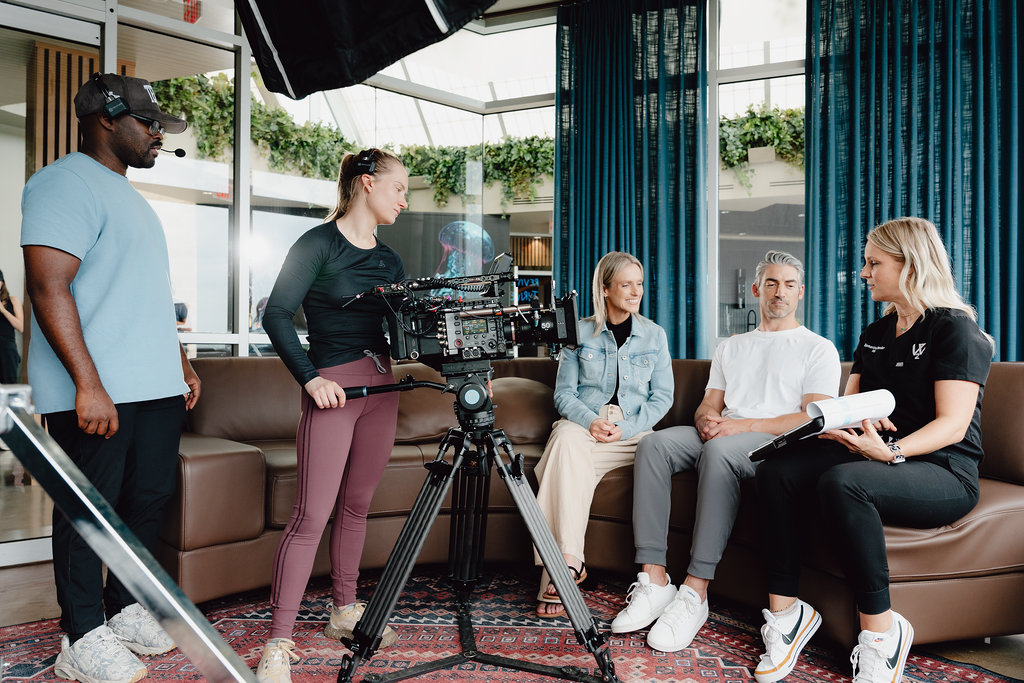
The short answer
| What you're buying | Realistic 2026 range |
|---|---|
| Entry-level videographer, day rate (shoot only) | $600 to $800 |
| Solid professional videographer, day rate (shoot only) | $1,000 to $1,500 |
| Single shooter who also directs the creative | $4,000 to $6,000+ per day |
| Simple short-form edit (cuts + subtitles) | ~$50 per short |
| Short-form with real motion design | $300 to $500 per short |
| Premium long-form edit (per finished piece) | $1,500 to $5,000 |
| Full production day with crew | $15,000+ |
Those are the honest ranges. The rest of this article is what they actually mean, because the difference between a $600 day and a $15,000 day is not that one guy is 25x better. It's that you're buying completely different things.
Videographer day rates in 2026
For a single videographer running their own camera, anything between $1,000 and $1,500 a day gets you someone who genuinely knows what they're doing. Entry-level shooters run $600 to $800.
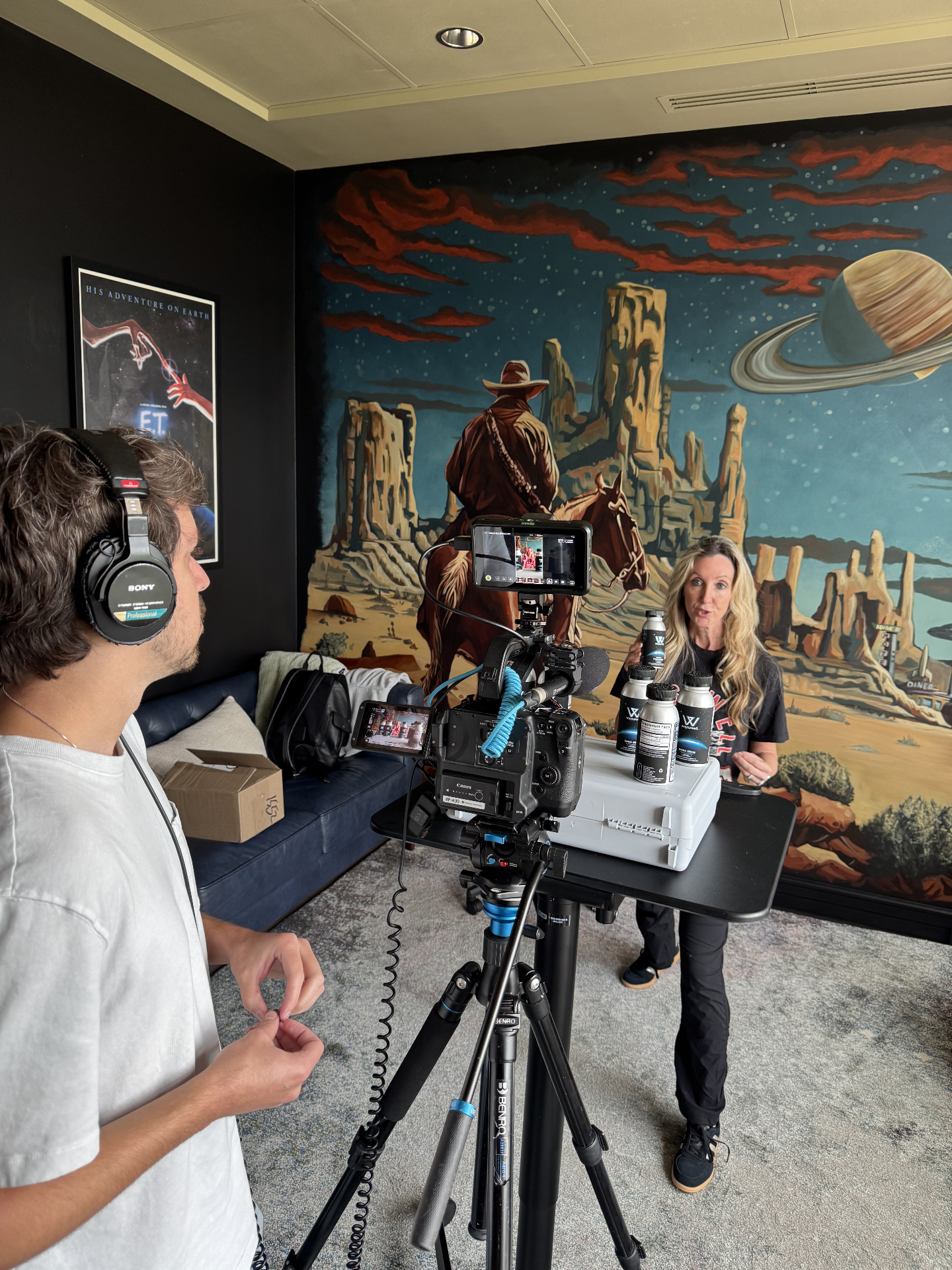
Here's the thing I tell everyone though: I usually don't like paying below $1,000, because in my experience that price is often a red flag. Not always. There are hungry, talented people building their books at $700 a day. But the shooters who consistently deliver, show up with a real kit, and don't need babysitting have figured out what they're worth, and what they're worth starts with a 1.
Two things these day rates do NOT include, and this trips everyone up. First, editing. A day rate buys the shoot day. The edit is its own line, priced in the next section. Second, direction. At $1,000 to $1,500 you're hiring execution: you tell them what you need, and they capture it well. Deciding what to shoot and why is still your job.
One caveat that will save you money: a great solo shooter in 2026 usually IS the whole crew. They're operating the camera, acting as their own DP, handling audio, and moving fast. For social content, events, and most brand work, that's genuinely all you need. More on when it isn't below.
Why one person can also cost $6,000 a day
Here's the part of the market nobody explains. We've been paid $4,000 to $6,000 and beyond for shoot days where Social Cuts showed up as a single shooter. Same class of camera. One person. So what's different?
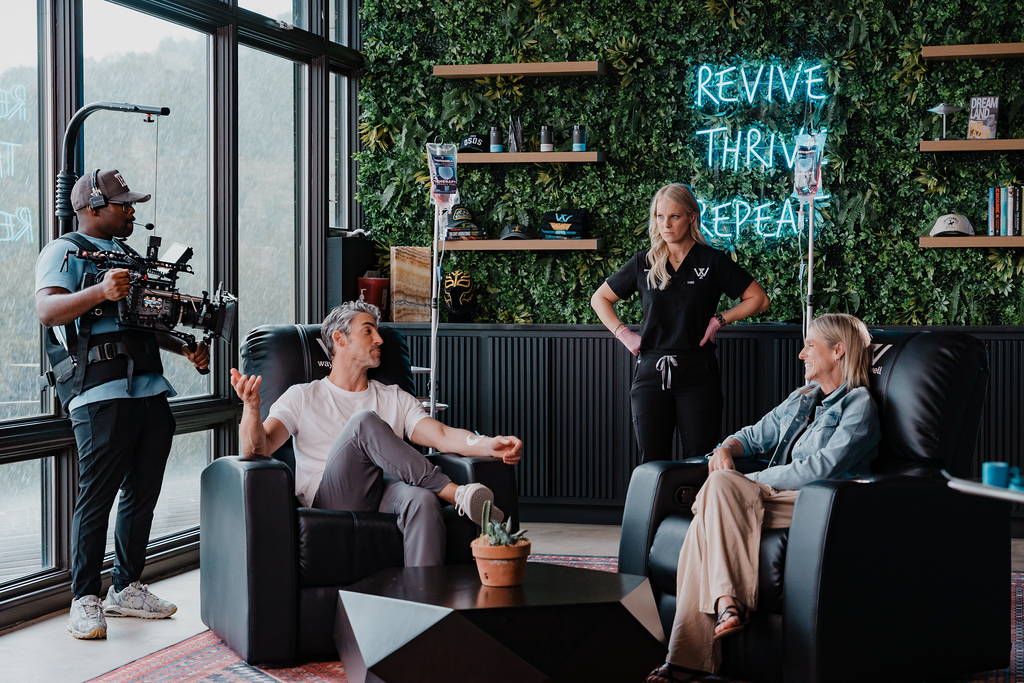
Responsibility. At that level the client isn't renting hands, they're renting judgment. On those days nobody is telling us what to shoot. We're deciding what the brand needs, directing the day, solving problems in real time, and carrying the outcome. The more technical the work is and the more that's riding on what's being sold, the more that judgment is worth.
So when you compare quotes, understand which axis you're actually on. The price of a videographer was never really about the camera. It's about how much of the thinking you're paying them to do. A $700 shooter executes your plan. A $1,500 shooter executes it beautifully. Past that, you're paying someone to own the plan itself.
What video editors charge
Editing is where pricing confuses people most, because "editing" describes about six different jobs.
Short-form (Reels, TikTok, Shorts):
- Simple chops with subtitles, footage handed to them ready to go: around $50 a short is average.
- Building a short out of raw footage, with color grading, music selection, and dialogue cuts: the rate climbs from there.
- Heavy motion design, the kind you see on the best brand accounts: $300 to $500 per short is the going rate for real effort.
Long-form is a different animal. A good long-form editor isn't just cutting footage. They're pacing a narrative, grading color, learning your brand, and understanding what the video is supposed to accomplish. A brand commercial is a completely different project than a mini documentary, even at the same length. For a solid finished premium piece in the one-to-two-minute range, you're paying $1,500 to $5,000 depending on the editor and the complexity. A simple talking-head YouTube video costs much less. A VFX-heavy commercial costs more.
The budget option that actually works: overseas editors, especially in the Philippines, run $15 to $35 an hour and some of them are excellent. Upwork is a legitimate place to start if you're new and need volume. The honest truth for new brands: consistency beats polish. If you're building momentum, posting good-enough content every week beats posting perfect content once a month, every time.
The crew math: why one shoot costs $1,500 and another costs $15,000
This is the part almost nobody explains, so here it is.
A $1,500 day is one person with a professional mirrorless kit, something like a Sony FX3 with a 24-70 G Master and a gimbal. They shoot it, they are the DP, done. For most social content and events, this is the right buy.
A full production is a different species. Once you move up to cinema cameras, a Sony Venice 2 class package, the camera alone needs a small team. What was one guy becomes:
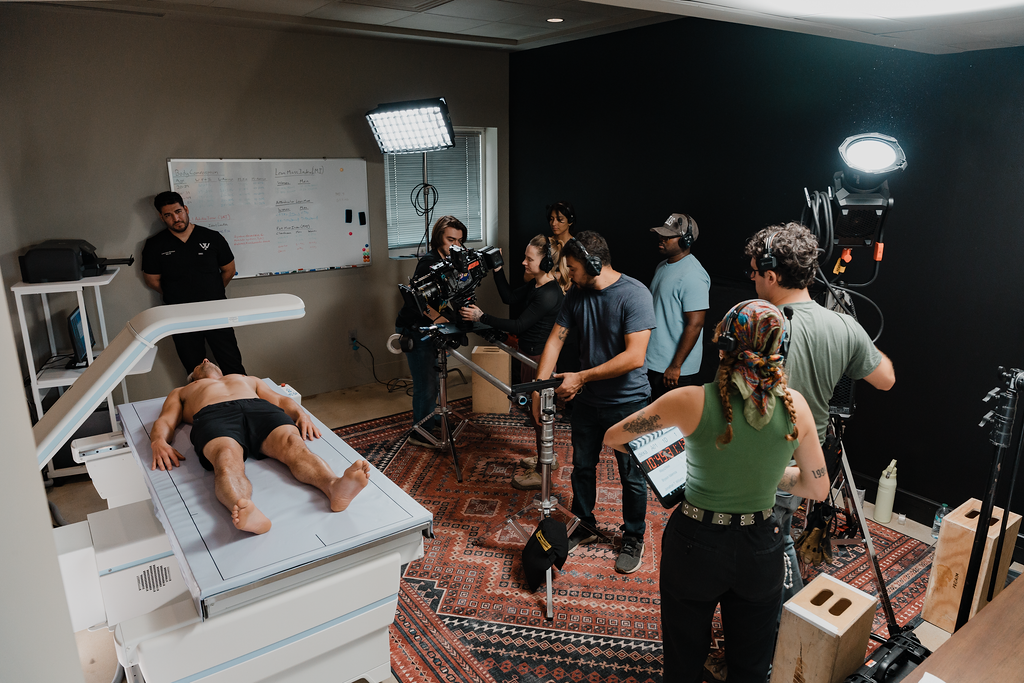
- A DP directing the look, with a dedicated camera operator
- A 1st and 2nd AC pulling focus and managing the camera department
- Gaffer, grip, and swing building and shaping the lighting
- A 1st and 2nd AD keeping the day on schedule
- A producer holding the whole thing together
And that's just who shows up on set. Before anyone rolls, there's pre-production: a director, mood boards, locations, studio setup, wardrobe. After the shoot, post-production: a colorist, sound design, the editor, VFX if the project calls for it. Three pillars, each with its own specialists. When a production quote seems high, this is what's in it. Clients are usually shocked at how much goes into a project like this, and it's the reason two "video shoots" can be priced a full order of magnitude apart.
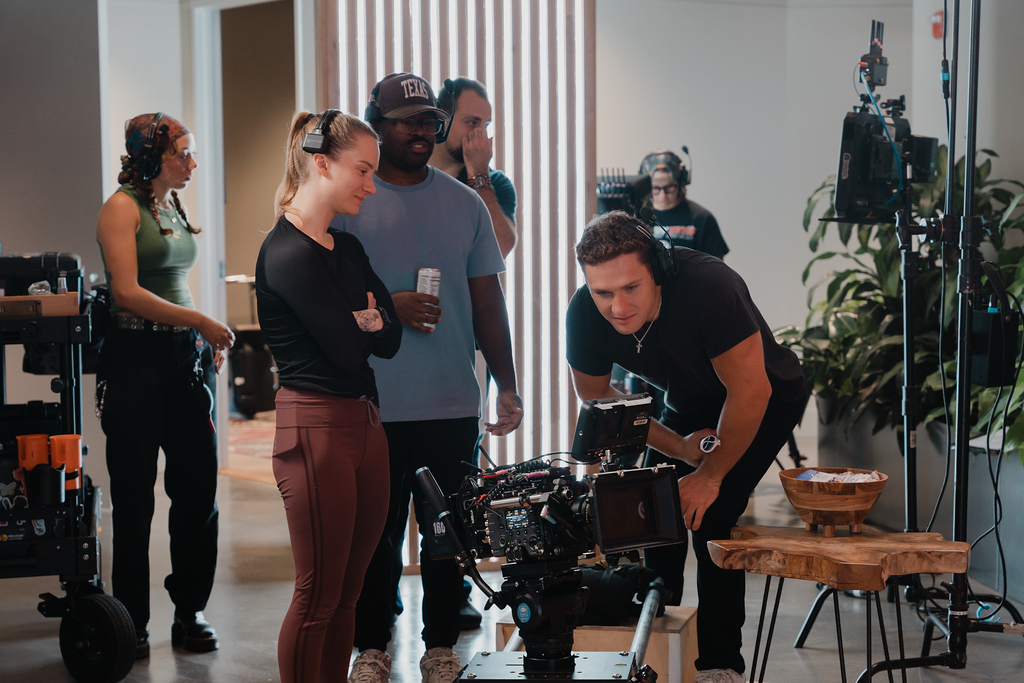
The good news: most brands don't need the giant crew. The way social media moves in 2026, light, fast crews producing exactly what a brand needs win most weeks. That's how we run the majority of our shoots, including for very large brands. Big productions still have their time and place, and we do those too. But if an agency insists every project needs the full circus, that tells you something.
The most expensive mistake in video: paying twice
The most painful pattern I see, and I see it constantly, is a brand going cheap first and paying twice.
We've been brought into projects exactly this way: a client hired someone inexpensive, the work came back bad, and it didn't just waste the budget. It damaged the relationship between our client and the company THEY were serving. We came in to fix the work and, hopefully, help mend that bridge. That's a real cost that never shows up in the original quote.
Here's why it happens. A lot of low-priced creatives are hungry, and hungry people are convincing. Their pitch is ahead of their skills. They will genuinely believe they're right for the job and then completely underdeliver, and unless you have a trained eye for content, you won't catch it until the deliverables land.
Two ways to protect yourself: scrutinize their actual work, not their pitch, and look for one specific skill, adaptability. The clearest mark of a real professional is that they make different videos for different jobs. The lower-tier guys make one kind of video no matter the assignment, so you get a launch video that looks cool and sells nothing. Cool that doesn't convert is the most expensive kind of cheap.
What AI is actually doing to video pricing in 2026
You'd think AI would be cratering these rates. Here's what's actually happening from where we sit.
AI tools have made volume genuinely possible. Clipping a podcast into twenty shorts, for example, is dramatically easier than it was two years ago. Some kinds of commodity editing have already been taken over, honestly.
But volume only works when several other levers are already in place: real creative direction, and filming that was planned for batching in the first place. AI can't hold a camera and it can't tell you what the brand should say. And here's the twist nobody mentions: the people who actually know how to use these tools well are the good editors, and they charge good rates anyway. The leverage went to the skilled, not to the cheap. The other people who benefit are motivated founders and marketing leads willing to learn the tools themselves.
As for rates overall: they're fair right now, and pretty flat. The creative field is crowded, a lot of talented people are competing, and you can get high-quality work without breaking the bank, IF you vet properly. Where it bites you is everything in the section above this one.
If you're deciding where to spend: video is worth real investment, and the shooting matters most. There are places to save in the editing phase. There are very few places to save on the day of the shoot.
What we charge
I'll be straight with you: it depends, and that's not a dodge, it's the honest answer. We do event coverage, mini documentaries, brand launch commercials, and monthly social retainers, and those are priced like the completely different projects they are.
The fastest way to find out is the quiz. It takes 60 seconds, you tell us what you're trying to do, and I'll personally get back to you the same day with a real plan and a real price.
And if the budget just isn't there yet, that's not a knock. Start with hungry talent, check their work hard, post consistently, and build. When the brand grows into the level of work we do, we'll be here.
Bryson Valencia is the founder of Social Cuts, an Austin video studio trusted by the biggest brands in health and wellness.