How to Hire an Austin Event Videographer for a Brand or Corporate Event

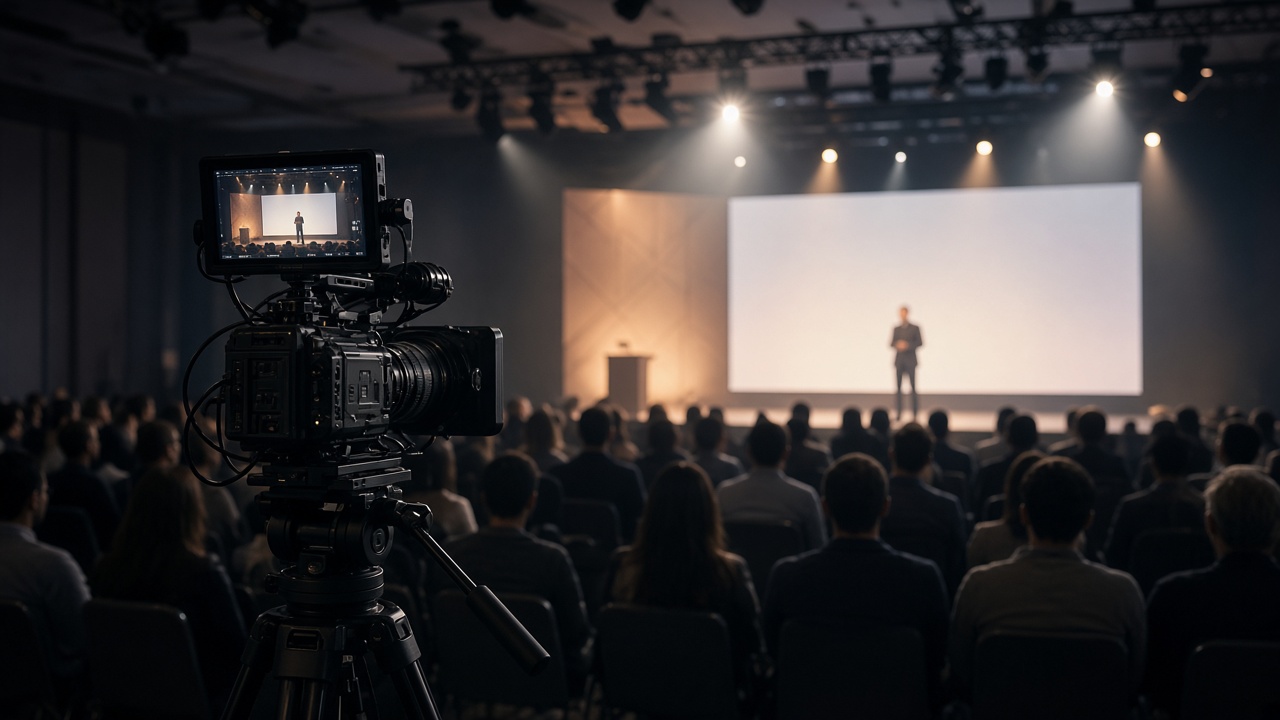
If you're hiring an Austin event videographer for a conference, a company offsite, a launch, or a brand activation, here's the short answer: decide what you need to have in hand 30 days after the event, then hire the crew that can deliver exactly that. For most corporate events that means a two person crew, a clean audio feed from the venue, a handful of vertical social cuts inside the first week, and one hero film that follows, plus a dedicated photographer if photos are going to press, sponsors, or your website. Everything else is detail.
I run Social Cuts, a marketing agency in Austin that leads with video. For events, that means we start with what your marketing needs from the day, then plan the coverage, capture it, edit it, and keep it shipping on your channels in the weeks after. We covered Dropbox's creative team offsites in film and photography. This guide is the version of the conversation I have with founders and marketing leads before they book anyone, us or someone else. It's written for brand and corporate events, not weddings, because those are a different job with a different playbook.
The short answer: what to book for your Austin event
Crew size should follow the event, not a package name. Here's how I'd scope video and photo coverage for the most common corporate and brand events we see in Austin.
| Event | Crew I would book | What you should get back |
|---|---|---|
| Half day panel, workshop, or customer lunch | One shooter who handles their own audio, with stills pulled from video if photos are only for social | A 60 to 90 second recap, 2 to 4 vertical clips, the main talk recorded if it matters |
| Full day conference or summit, one main stage | Two shooters, one locked on stage, one roaming, plus a dedicated photographer | A hero recap film, 4 to 8 vertical clips, keynote recorded in full, short speaker interviews, a photo gallery of speakers, sponsors, and candids |
| Multi day conference with breakouts | Two to three shooters plus someone owning audio, and a photographer for each busy day | Daily social clips and photo selects, a hero film after, session recordings for the rooms you choose |
| Company offsite or retreat (hotel or Hill Country venue) | One or two shooters, depending on how spread out the agenda is, plus a photographer if you want team and culture photos | A culture film for recruiting and the internal recap, clips for LinkedIn and Instagram, and photos for the careers page |
| Brand activation, launch party, or SXSW style pop up | Two shooters, one of them focused on vertical, plus a photographer for press and partner photos | Same week vertical content first, fast photo selects for PR, a polished brand film second |
Those deliverable counts are a starting point, not a rule. The important part is that every finished video and every photo set gets named in the quote before you sign. "Event coverage" is not a deliverable.
First decide what the video is for
Most bad event videos come from one mistake: nobody decided what the footage was for, so the crew filmed everything and the edit tried to be everything. An event usually produces three different kinds of video, and they need different planning.
1. Same week social cuts
Short vertical clips posted while people are still talking about the event. A great line from a speaker, the room filling up, a product reveal, a quick reaction from an attendee. These have a short shelf life, so speed matters more than polish. If they land three weeks later, most of their value is gone.
2. The hero film
The one to three minute piece that lives on your website, opens next year's registration page, goes to sponsors, and shows a recruit what it's like to work with you. This one deserves time: a real story, music that fits, a proper color grade and sound mix. It's fine for it to take a couple of weeks.
3. Full recordings
Keynotes, panels, and sessions recorded start to finish for YouTube, a members area, or your sales team. These are less about creativity and more about reliability: a locked camera, clean audio, and nothing missed.
Tell your videographer which of these you need and in what order. A crew planning for vertical social clips frames and moves differently than a crew planning a cinematic hero film, and a crew recording sessions can't also wander the room. That's where crew size comes from.
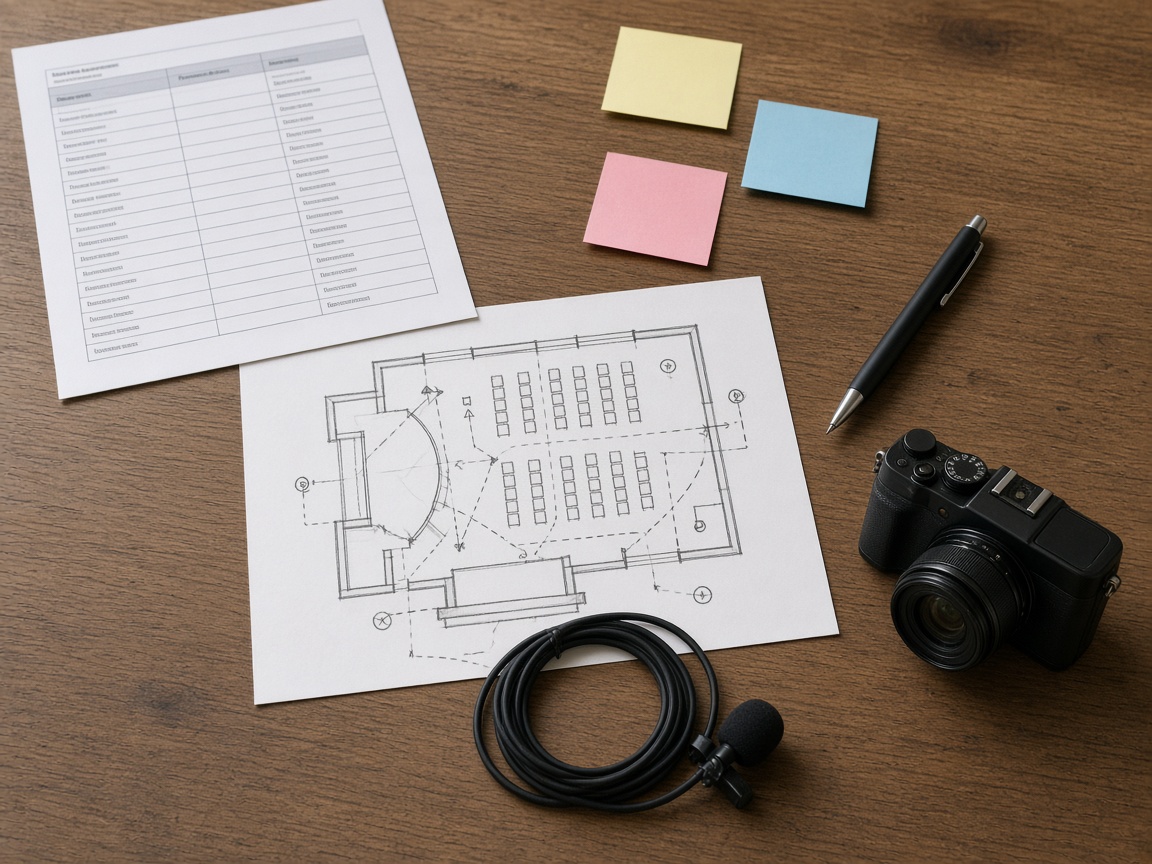
How many shooters does a corporate event need?
One person cannot film the keynote and the networking happening outside the ballroom at the same time. That single fact decides most of your crew.
One shooter
Right for a half day, a single room, or an offsite where the whole group moves together. A strong solo shooter in 2026 runs camera, lighting, and their own audio. If you only need a recap and a few clips, this is usually the right buy and the smart way to spend.
Two shooters
The default for a full day conference. One camera stays locked on the stage so the talks are recorded cleanly, and the second shooter roams for the energy: arrivals, sponsor booths, hallway conversations, crowd reactions, quick interviews. Two people also gives you a backup if a card, battery, or camera fails at 2 PM, which happens.
Three or more
For multi day events with breakout rooms, a livestream, or a same day edit shown before the closing session. At this size someone should own audio full time, and you want a lead who runs the crew so you aren't the one directing camera positions while you're also running the event.
Where the photographer fits
Count the photographer separately from the video crew. The person filming the keynote can't also walk the room for candids, and a photographer working the stage needs their own spot so they aren't standing in the video frame. For a full day conference, my default is two video shooters plus one dedicated photographer, all working from the same run of show.
If you want the full math on why a one person shoot day and a full production crew are priced so far apart, I broke it down in what videographers actually cost in 2026.
Hotel offsite vs conference vs brand activation in Austin
Austin events tend to fall into three settings, and each one changes the plan.
Downtown conference or hotel ballroom
The challenge here is the room, not the camera. Ballrooms are dark, stages are lit for the audience, and the screen behind the speaker is far brighter than their face. Ask your videographer how they handle mixed lighting and where they want to place the stage camera. Get them the venue's AV contact early, because that person controls the sound board, the power, and where a tripod is allowed. Many venues also ask outside vendors for a certificate of insurance, so check with yours before the week of the event.
Company offsite or Hill Country retreat
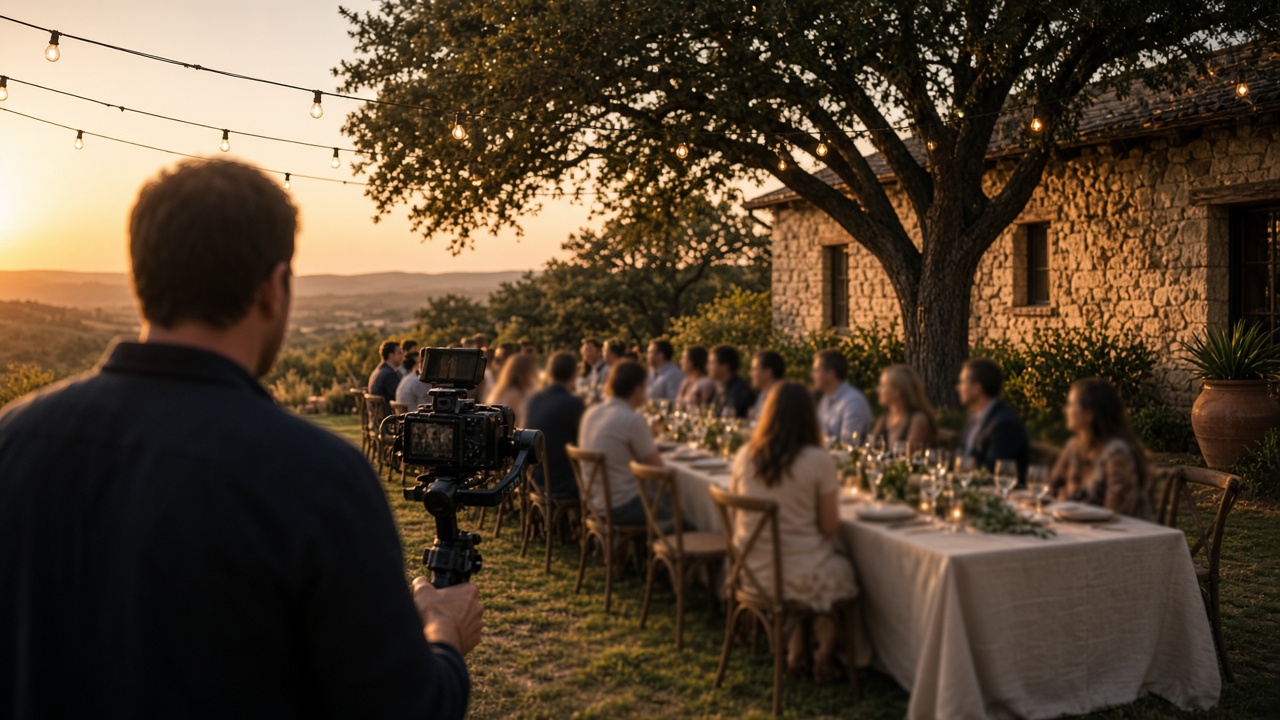
Offsites are spread out: a session in the morning, an activity in the afternoon, a dinner outside at golden hour. Coverage gaps happen when the crew doesn't know the schedule, so share the full agenda, including the parts that feel casual. The dinner and the activity often make the best footage of the whole trip. If the venue is an hour outside town, plan for travel time and whether the crew stays overnight.
Brand activation, launch, or festival week pop up
Activations live or die on vertical content, so ask for a shooter whose whole job is 9:16. If any of it happens on a street, a sidewalk, or in a city park, that's a different situation: the City of Austin requires a permit to film on public property like a road, sidewalk, or park, no matter the crew size (Austin Film Commission). Park filming requests should go in at least 7 business days ahead and right of way requests at least 3 business days ahead (City of Austin). On private property you generally don't need a film permit, but ask your venue.
Drones need their own check. Anyone flying a drone for a business has to follow the FAA's Part 107 rules, which include passing a knowledge test for a Remote Pilot Certificate and registering the drone (FAA). In Austin, drone filming also goes through an Austin Police Department public safety review (City of Austin). If a videographer offers drone shots of your event, ask whether they hold the certificate and who handles the permit.
Audio is the part that ruins event videos
You can save a shaky shot or a dark shot in the edit. You cannot save bad audio. A keynote recorded through a camera mic at the back of a ballroom sounds like a keynote recorded in a parking garage, and it makes the speaker look worse than they were.
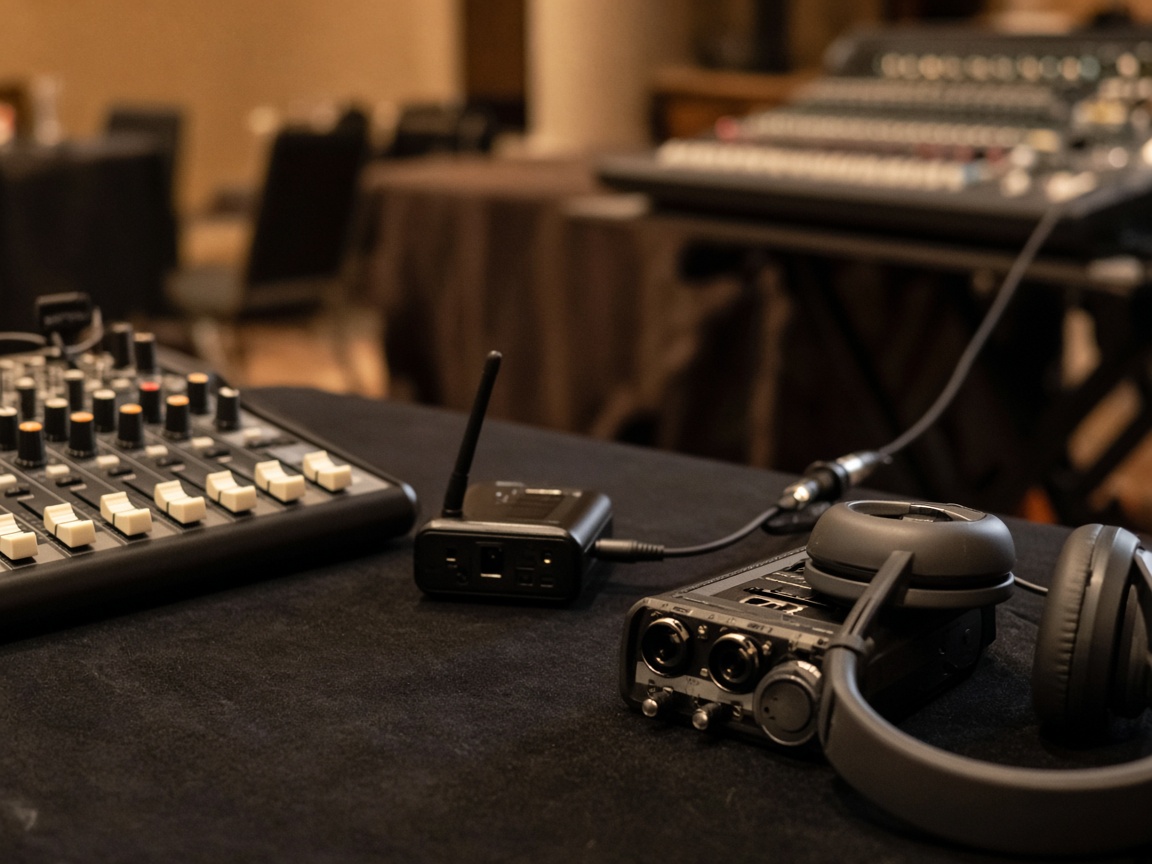
Here's the setup I want on any corporate event with talks:
- A feed from the venue sound board into a recorder or the stage camera, so the speaker's mic is recorded directly.
- A backup recorder in case the feed drops or the AV team changes something mid session.
- Wireless lav mics for interviews, because hallway interviews have a lot of background noise.
- Someone listening on headphones during the talks you care most about.
Ask the videographer exactly how they get audio from the stage. If the answer is the camera mic, keep looking.
Same week social cuts and photos: a timeline that works
The biggest difference between event video that does something and event video that sits in a folder is timing. Here's the schedule I'd hold any crew to for a one day corporate event.
| When | What happens |
|---|---|
| 3 to 4 weeks out | Book the video and photo crew, share the date, venue, and what the content is for |
| 2 weeks out | Send the brief: run of show, key moments, VIP names, photo shot list, brand files, AV contact |
| The week before | Walkthrough or call, camera and photographer positions agreed, audio plan confirmed with AV |
| Event day | Crew arrives before doors for B roll and photos of the empty room, setup, and signage |
| That night | All footage and photos backed up and uploaded so nothing lives on a single card, and the first photo selects edited for social and PR |
| Days 1 to 5 | First vertical clips and the full photo gallery delivered and posted while the event is fresh |
| Weeks 1 to 3 | Hero film first cut, one or two rounds of notes, final delivery |
Some events want a same day edit, a short recap played before the closing session. It's doable, but it needs an editor on site working during the event, so it has to be planned and booked in advance. Don't ask for it the morning of.
Editing is where most of the hours go on an event, and it's priced separately from the shoot day more often than not. If you plan to hire editors yourself, here's what editors cost and how I hire them.
Event photography: book it with the video, not after
Most brand and corporate events need photos as much as video. Photos are what your PR team sends to press, what sponsors ask for, what goes in the recap email and on LinkedIn, and what fills your careers page for the next year. Plan photo and video together and they cover each other. Add a photographer at the last minute and you get two crews working off different plans and stepping into each other's shots.
One team or separate vendors
You can book a photographer and a video crew as separate vendors, or one team that covers both. Separate vendors can work if you already have people you trust, but then you are the one coordinating positions, shot lists, and delivery dates between them on the busiest day of your quarter. One team means one brief, one run of show, and one person accountable for everything you get back. That's how we cover events. Our Dropbox offsite work was film and photography from the same team, planned around what the creative team wanted to carry back to the rest of the company.
A dedicated photographer or stills pulled from video
Pulling frames from video is fine for a social post or a thumbnail. It falls short on the photos that matter most: sharp speaker shots in a dark ballroom, posed group photos, headshots, and anything that will be printed or sent to press. Video is usually shot so motion looks natural on playback, which means a paused frame often carries blur that a photo taken for the job would not. If photos are going to press, sponsors, or your website, book a dedicated photographer.
The event photo shot list
Give the photographer a list, the same way you give the video crew a run of show. Mine covers:
- Headshots for speakers, your team, or attendees if you're offering them. Give the headshot station its own time slot, a simple backdrop, and consistent light, so it doesn't pull the photographer off the main stage.
- Speakers: a clean, tight shot of every speaker, plus a wider frame that shows the room, the slide, or the brand behind them.
- Sponsors: booths, signage, and logos in context, plus sponsor reps with your team. If your sponsor packages promise photos, send that list before the day.
- Candids: networking, reactions, the room filling up, your team working behind the scenes.
- Group and VIP photos: a short list with names, timed for when those people are actually in the same place.
- Details: signage, food, the room setup, anything your events or brand team will want to reuse next year.
Fast photo turnaround for social and PR
Photos have the same shelf life problem as social clips. A speaker photo does the most work while the event is still happening or the next morning, and press and partners want images while the story is still news. Ask for a small set of edited selects the same night or the next morning, with the full gallery to follow, and put both dates in the quote. Tell the photographer which shots PR needs first so those get edited first.
Labels save time later. Send the names from your VIP list so speaker and sponsor photos come back identified, and ask for files sized for both social and print. Settle photo usage rights in the same contract as the video, covered below.
What an Austin event videographer costs
Pricing has its own full guide, videographer rates and video production pricing, so here's the summary. A solid professional videographer runs about $1,000 to $1,500 for a shoot day, and that usually does not include editing. A full production day with a complete crew starts around $15,000. Simple short form edits can run around $50 each, while edits with real motion design run $300 to $500.
For events specifically, Austin companies publish ranges you can use to sanity check a quote. One lists $1,500 to $2,500 for half day coverage and $3,500 to $6,500 for a full day with two to three cameras (Hen's Bread Productions). Another lists single shooter half days from $2,500 and a two person full day at $6,000 to $10,000 (ZCreative Media). The spread comes from four things: how many people are on the crew, how many hours they're on site, how many finished videos you get back, and how fast you need them.
When two quotes look nothing alike, line them up on those four things before you compare totals. Ask for photography as its own line in the quote, so you can see what the photo coverage adds and compare it fairly.
Questions to ask before you book
| Ask this | A good answer | A red flag |
|---|---|---|
| Can I see work from an event like mine? | A full recap and a raw session clip from a similar event | Only a wedding reel or a music video |
| How many people will be on site? | A number tied to your agenda and rooms | Whatever the package says |
| How do you get audio from the stage? | A board feed plus a backup recorder | The camera mic |
| What happens if a camera fails? | Backup bodies, cards, and batteries on site | We have never had that happen |
| How do you handle photos? | A dedicated photographer with a shot list, or a clear plan for stills, with delivery dates | We will grab some frames from the video |
| When do I get the first social clips? | A date in days, written into the quote | Soon |
| What exactly is in the quote? | Every finished video, its length, format, and revision rounds | Event coverage |
| Who owns the footage and can I get the raw files? | Spelled out in the contract | A shrug |
One more that tells you a lot: "Walk me through what my team will have 30 days after this event." A crew that has done this before can answer it in detail. A vague answer usually shows up as vague deliverables.
What to send your videographer and photographer two weeks out
A one page brief saves more footage than any camera upgrade. Send this:
- The run of show with times for every speaker, award, and break.
- Your five key moments, the shots your CEO will ask about on Monday.
- Names and photos of VIPs so the crew knows who to find.
- The photo shot list: headshot times, every speaker, sponsor commitments, group photos with names, and which images PR needs first.
- Brand files: logo, colors, fonts, and any lower third style.
- Venue contacts for load in, parking, power, and the sound board.
- A B roll list: signage, room setup, food, sponsor areas, the team working.
- Where the videos will be posted, so the crew knows how much to frame for vertical.
If anyone on camera is a guest or a customer, tell the crew how you're handling consent. Many companies put a filming notice in registration or at check in, and some want signed releases for interviews. Decide this before the day, not after.
Footage, photos, music, and rights: get it in writing
Two things cause most of the arguments after an event. First, ownership and raw files. Unless your contract says otherwise, the person who shoots the footage or takes the photos generally owns the copyright, so put ownership or a usage license and raw file delivery in writing for both. I covered this in more depth in how to hire a videographer for social media, and the US Copyright Office explains works made for hire in Circular 30.
Second, music. A track that's fine for an organic post may not be cleared for a paid ad or a sponsor reel. If you plan to put money behind the recap, say so up front so the editor licenses music for that use.
Hiring an event videographer and photographer in Austin
Austin has plenty of good shooters, photographers, and production companies. What's harder to find is a team that treats your event like the biggest content day of your year: planned around the run of show, with clean audio, photos and social clips out fast, and a hero film that still works a year later. That's the difference between booking a vendor and working with a marketing agency. We decide with you what the event needs to feed afterward, from LinkedIn and Instagram to the sales team and next year's registration page, then capture it, cut it, and keep it shipping in the weeks after. If you want the shoot and edit details, here's how we handle video production in Austin. You can see an example in our Dropbox event film and photography, and the rest of our hiring guides are on the articles page.
FAQ
How much does an event videographer cost in Austin?
A solid professional shooter runs about $1,000 to $1,500 for a shoot day before editing (full pricing guide). Published Austin event packages run from about $1,500 for a half day up to $6,500 or more for a full day with multiple cameras and edits included, and multi day conferences go higher.
How far in advance should I book an event videographer?
Three to four weeks is a comfortable minimum for a one day corporate event, and earlier for busy weeks in Austin like SXSW in March or a big conference weekend. Book sooner if you need drone shots or filming on public property, since those need permits with their own lead times.
How long does it take to get an event video back?
Ask for dates in the quote. A reasonable target is the first vertical social clips within a few days and the hero film within two to three weeks, including a round or two of notes. A same day edit is possible when it's planned and staffed ahead of time.
Do I need two videographers for a conference?
For a full day with talks, usually yes. One camera stays on the stage to record the speakers cleanly while the second covers the room, interviews, and B roll. A single shooter works for a half day, one room, or a small offsite.
Should I record full sessions or just get a recap?
Record full sessions only for the talks you'll actually publish or reuse, like the keynote or a panel your sales team will send around. Every recorded session needs a locked camera and clean audio, which ties up crew that could be capturing the rest of the event.
Do I need a permit to film an event in Austin?
Not for most private venues. The City of Austin requires a permit to film on public property such as streets, sidewalks, and city parks, and drone filming goes through an Austin Police Department review (City of Austin). Your venue may also have its own vendor rules.
Can the same team shoot photos and video at an event?
Yes, if it's planned as one job with separate people. One team can cover both and keep everyone out of each other's shots, but the same person can't film and photograph the keynote at the same moment. If photos matter, book a dedicated photographer, and use stills pulled from video only for social posts and thumbnails.
How fast should I get event photos back?
Ask for a first set of edited selects the same night or the next morning for social and PR, and the full gallery after that. Put both dates in the quote, along with who owns the photos.
The bottom line
Hire for the outcome, not the camera. Decide what your team needs 30 days after the event, size the video and photo crew to the agenda, lock down audio with the venue, and get the photos and social clips out while the event still matters. Do that, and one day of coverage keeps paying off long after the chairs are stacked.