How to Hire a Videographer for Social Media (What a Shoot Day Should Get You)

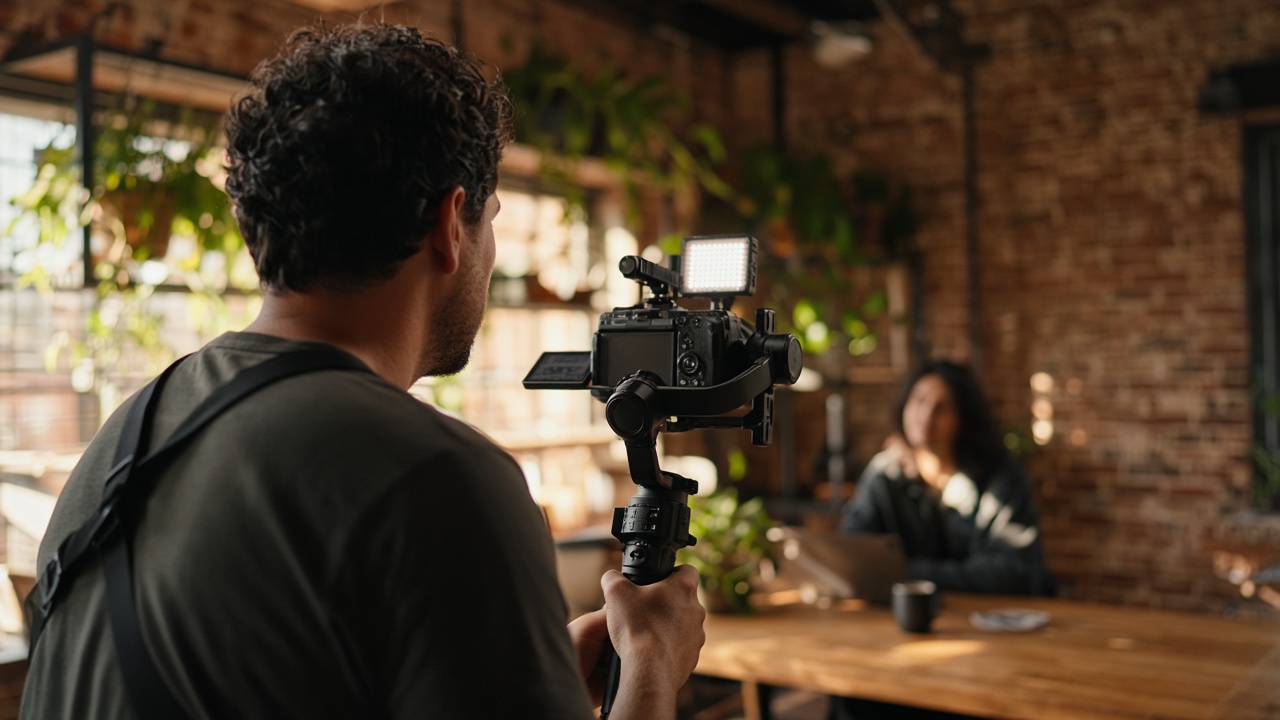
If you want to hire a videographer for social media, hire for the plan first and the camera second. A solid professional shooter at $1,000 to $1,500 a day is enough for most brands, as long as three things are settled before the shoot: someone has decided what gets filmed, the day is built for vertical video, and you know who is editing. Get those right and one shoot day can feed your accounts for weeks. Skip them and you end up paying for a hard drive full of nice footage that never gets posted.
I run Social Cuts, a video studio in Austin. We shoot and edit social content every week, and over the years we've hired hundreds of editors and videographers. This is how I would hire a social media videographer if I were a founder or a marketing lead doing it for the first time: what to pay, what a shoot day should actually get you, what to ask before you book, and when a freelancer stops being the right call.
The short answer on cost
For most social shoots, a solid professional videographer runs $1,000 to $1,500 a day for the shoot alone. Editing is a separate line, and someone who also decides what to film and directs the day costs a lot more. I broke down every tier, from entry level shooters to full crews and edit rates, in what videographers actually cost in 2026, so I won't repeat it here. This article is about the hiring itself: what the person is for, what the day should produce, and how to vet them.
First, decide what the videographer is actually for
Most bad social hires start with a vague ask like "we need content." A videographer can't fix that on the day, and a good one will tell you so. Before you post a job or send a single inquiry, pick which of these three jobs you are hiring for.
A batch day for content you already planned
You have a list of video ideas, a person who will be on camera, and a place to shoot. You need someone to capture all of it well and fast. This is the most common social hire and the best value, because one well planned day turns into weeks of posts. A solid professional shooter is the right buy here.
Coverage of a moment
A launch, an event, a team offsite, a product drop. The content is whatever happens, so you need someone who reads a room and works quietly. The same solo shooter usually covers this. Ask to see event work specifically, because it is a different skill than a controlled batch day.
A creative lead who also shoots
You don't know what to film, nobody on your team has time to figure it out, and the content needs to sell something. Now you are paying for judgment, which costs far more than execution. Be honest with yourself about which of these you need. Hiring an execution shooter for a creative lead job is how brands end up disappointed with someone who did exactly what they were asked.
What one social media shoot day should get you
People ask me how many videos they should get from a day. I won't give you a magic number, because it depends almost entirely on how many concepts you planned and how fast your on camera person is. As an outside sanity check, one US hiring guide puts a half day batch at about 6 to 10 clips for $1,200 to $2,500 (Book a Videographer, 2026). A better way to plan it: count the ideas in your brief, and expect each one to need a hook, the main talking part, and enough B roll to cut around it.
Whatever the count, a good social shoot day should leave you with all of this:
- Every planned concept captured, with a few takes of each hook, because the first three seconds decide whether anyone keeps watching.
- Clean audio on every speaking shot. Our default is a lav mic on the subject all day with a shotgun mic always recording as backup. Bad audio is the fastest way to waste a good shoot.
- Footage framed for vertical, checked on set while filming.
- B roll for each idea: hands, product details, the space, people working.
- A little behind the scenes that can become its own posts.
- Everything uploaded that night, uncut. We don't let shooters cull on their own. The take they think is bad is sometimes the one the editor needs.
Shoot for vertical on purpose
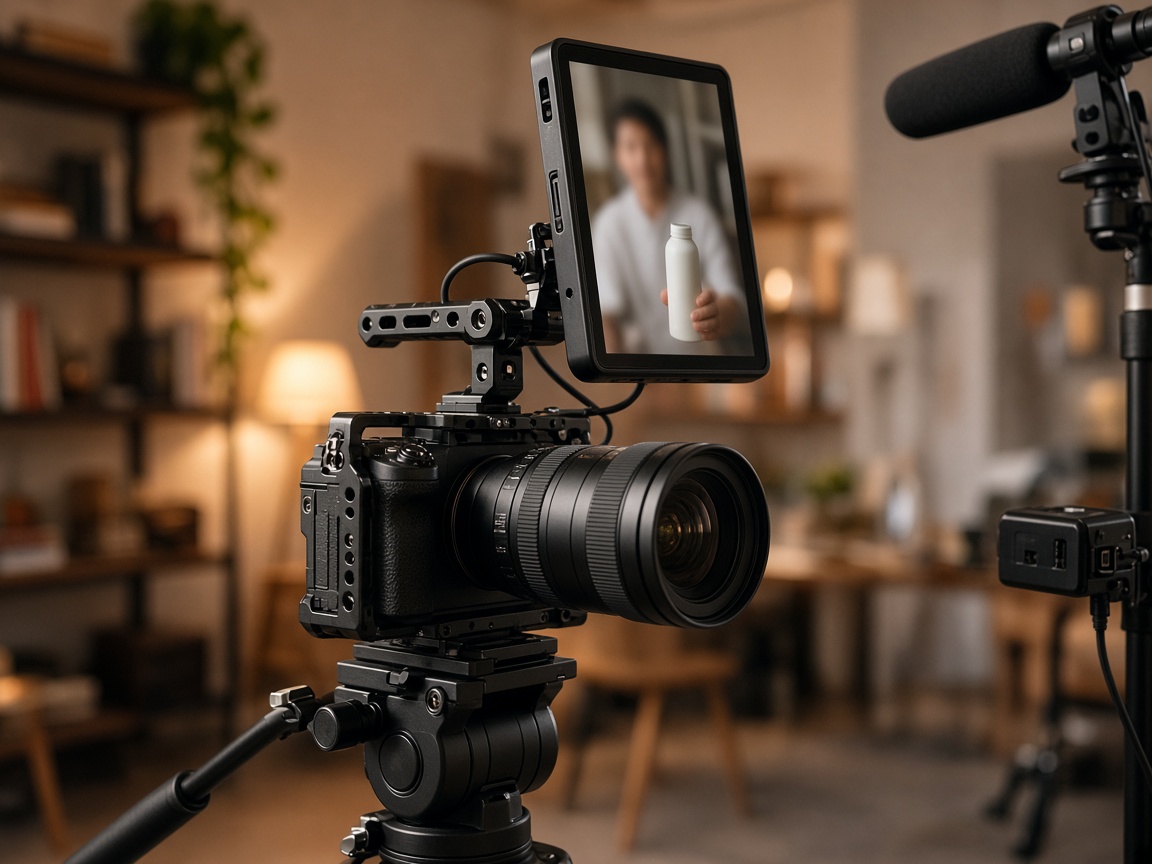
Almost everything your audience watches on social is vertical. Instagram accepts Reels anywhere from 1.91:1 to 9:16, with at least 30 frames per second and 720 pixels of resolution (Instagram Help Center). YouTube treats square or vertical uploads up to three minutes long as Shorts (YouTube Help). So the full screen 9:16 frame is the one to plan for.
Our defaults for social: 4K at 30 frames per second, 60 only when we want slow motion. On locked setups like a tripod interview, we turn the camera to vertical. On handheld, we keep the subject center safe so the editor can crop to vertical without cutting off a head or a product. Ask any videographer you are considering how they handle vertical. If the answer is "we'll crop it later" with no plan for protecting the frame, keep looking.
Who edits it: the question most people skip
A day rate does not include editing, and this trips up more first time buyers than anything else. You have three options:
- The videographer edits too. Simple, one person to manage. Make sure the edit price and turnaround are in writing before the shoot.
- A separate editor. Simple cuts with subtitles are cheap per video. Real motion design costs several times more.
- Your own team edits. Fine if someone has the time and the eye. It usually turns into the thing that never gets done.
If you hire editors yourself, I wrote up what editors cost and how I hire them, including the test edit funnel we use.
How to vet a videographer for social media
Pitches are easy. Hungry people are convincing, and a lot of low priced creatives have a pitch that is ahead of their skills. Judge the work, and judge how they behave before the booking. Here's my checklist:
- Vertical work for a business. A showreel of pretty wide shots tells you very little about social. Ask for posts they shot that went up on a brand account.
- Range. The clearest sign of a professional is that they make different videos for different jobs. If every piece in the portfolio looks the same, your content will too.
- Audio. Ask what they bring for sound. You want a real answer with mics in it.
- Rate. I usually don't like paying below $1,000 a day. There are talented people building their books at $700, but the consistent ones have figured out what they are worth.
- Communication before the booking. How fast they reply and whether they do what they said they would do is a preview of the shoot. Every bad hire I've made came down to discipline.
- Who owns the footage. Covered in its own section below, because it matters more than people think.
- Music. Ask where the music in their edits comes from. Covered below too.
Questions to ask before you book
| Ask this | A good answer | A red flag |
|---|---|---|
| What do you need from me before the shoot? | A list of ideas, who is on camera, the location, and where the videos will be posted | Nothing, just show up |
| How do you handle vertical? | A clear plan: camera turned on locked shots, protected framing on handheld | We'll crop it later |
| What do you bring for audio? | A lav for the subject plus a backup mic | The camera mic is fine |
| When and how do I get the footage? | All of it, uploaded the same night, with a link | Only the selects, in a couple of weeks |
| Does the price include editing and revisions? | A written edit price, turnaround, and number of revision rounds | We'll figure it out after |
| Who owns the footage and the finished videos? | Whatever you agree, written into the contract | A shrug |
Footage ownership and music: settle both in writing
I'm not a lawyer, so treat this as the question to ask, not legal advice. Under US copyright law, the person who creates a work is normally its author and owner. A freelancer's footage only counts as a work made for hire, owned by you, when it falls in a qualifying category (part of an audiovisual work is one) and both of you sign a written agreement that expressly says it is a work made for hire (US Copyright Office, Circular 30). A handshake and an invoice are not that. If you want to own the raw footage and the edits, or just want a clear license to use them in ads, put it in the contract before the shoot and have your lawyer look at it.
Music catches brands too. Meta says the music in Instagram's licensed library is meant for personal, non commercial use, so certain business accounts and certain types of posts don't get access to it, and it points those accounts to Meta's Sound Collection, which is royalty free and can be used commercially (Instagram Help Center). Ask whoever edits your videos where the music comes from and whether you are covered to run the video as an ad later.
Write a one page brief before the shoot day
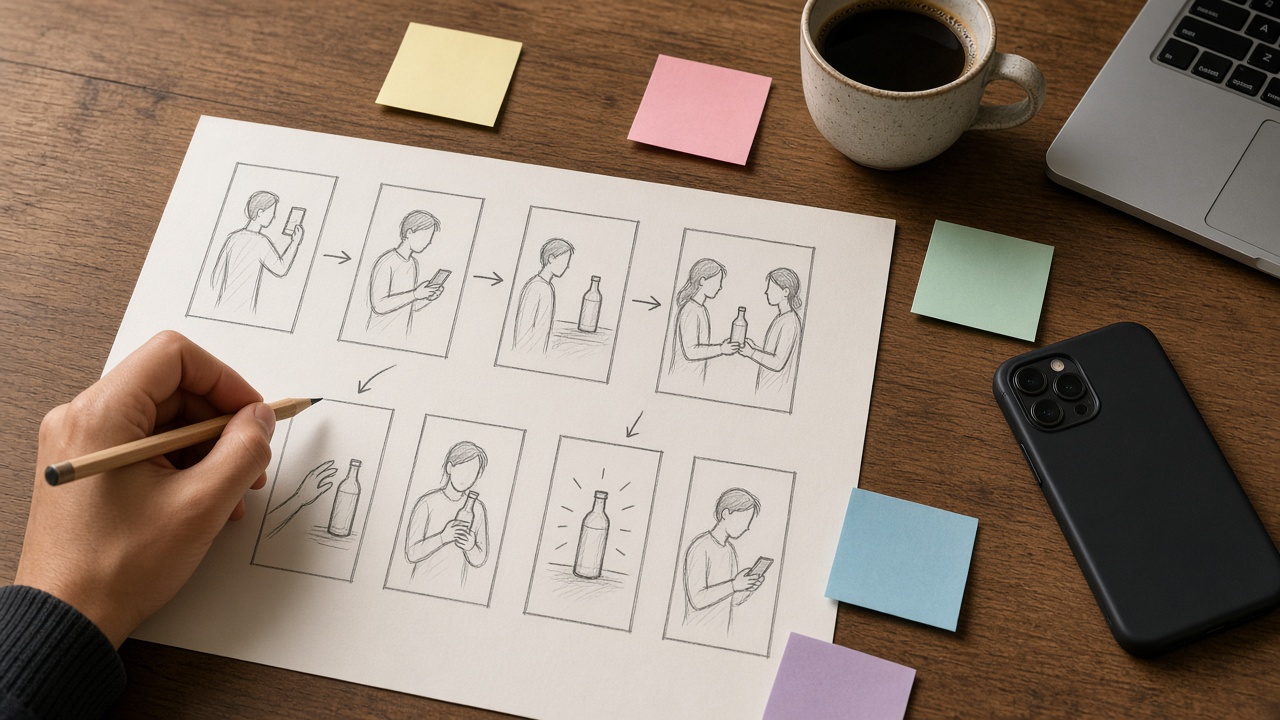
Every shoot we run gets a brief, usually one to three pages. You don't need ours, but a lighter version will make any freelancer better. It should cover:
- The basics: who is on camera, the contact on site, date, call time, location, and the list of deliverables.
- What this is: two or three sentences on what the content is for and who it is talking to.
- Run of show: the order you will shoot the ideas in, with rough times.
- Watch outs: anything that can't be filmed, people who don't want to be on camera, noise, parking, building rules.
- After the shoot: when footage gets uploaded, where it goes, and who edits it.
One rule we hold every crew to: call time means the camera is rolling at that time. Put that line in your brief and you'll save an hour.
Freelancer, studio, or doing it yourself
This is the real decision behind the search, so here's my honest take on each path.
You and your phone
If you're extremely bootstrapped, don't hire anyone yet. You and your phone are the content team. Anyone can make good vertical videos on an iPhone, and consistency beats polish when you are building momentum.
A freelance videographer
Hire one when you have a clear plan, an editor lined up, and someone on your side with time to manage it. That last part is where it usually breaks. Freelancers can go dark right before a shoot, and the person managing them is often a marketing lead who is already underwater.
A studio that ships every week
Hire a studio when the business is growing fast and the marketing hasn't caught up, and you want content shipped every week without coordinating it yourself. That's what we do. Social Cuts embeds as the creative team, with strategy, shooting, editing, and delivery under one roof, and priority edits back in two days. If you are in or near Austin, here's how our video production in Austin works.
Build the engine in house
If you'd rather own the system than rent it, there's a third path. The Install is our 90 day program: we build your content engine with your team, train them on real shoots, and hand over the keys.
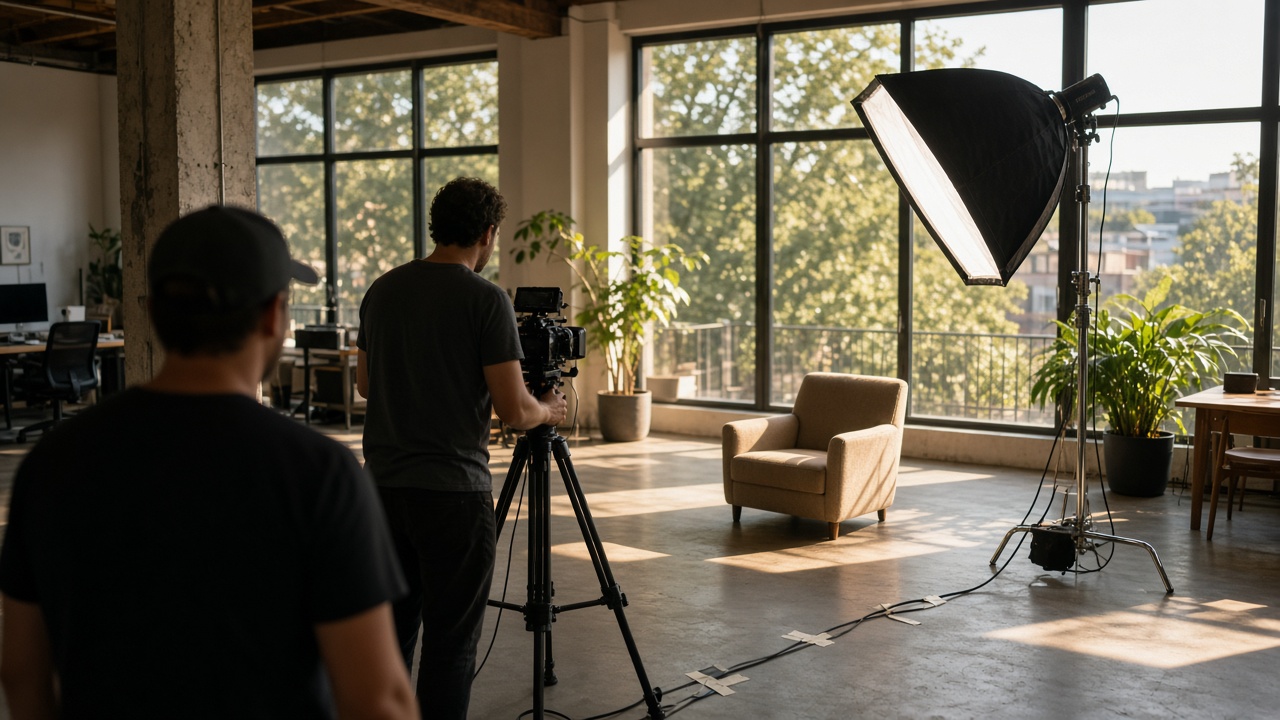
One more note on crews. Most brands don't need a big crew for social. Light, fast crews producing exactly what a brand needs win most weeks, and that's how we run the majority of our shoots. A full crew has its time and place, usually a campaign or a commercial, not this week's Reels.
Hiring a social media videographer in Austin
Austin has no shortage of people with good cameras, so the filter above is what separates them. Look for someone who has shot vertical content for businesses, can show you the posts, answers the ownership and editing questions without hesitating, and replies to messages like a professional. If you want to compare quotes from a freelancer and a studio, read what videographers actually cost in 2026 first so you know which axis each quote is on. And browse all our articles for the rest of the hiring guides.
FAQ
How much does it cost to hire a videographer for social media?
For a single professional shooter, plan on $1,000 to $1,500 a day for the shoot alone, with editing on top. The full breakdown by tier is in what videographers actually cost in 2026.
How much is a social media videographer per hour?
We book shooters by the day or half day, and that's how I'd compare them. If someone quotes hourly, convert it to the full cost of the shoot, including editing and revisions, before you compare it with a day rate.
Should I hire a videographer and an editor separately?
Either works. One person who shoots and edits is simpler to manage. Separate people can be cheaper and faster at volume, especially if your editor is overseas. What matters is that the edit is planned and priced before the shoot.
How do I hire a freelance videographer?
Decide which job you're hiring for, write a short brief, then judge candidates on vertical work they shot for businesses, their audio setup, and how they communicate before you book. Get the price, edit turnaround, revision rounds, and footage ownership in writing.
How many videos should one shoot day produce?
It depends on how many ideas you planned and how comfortable your on camera person is. Count the concepts in your brief and make sure each one gets a hook, the main talking part, and B roll. One US hiring guide puts a half day batch at about 6 to 10 clips (Book a Videographer).
Who owns the footage when I hire a freelance videographer?
By default, often the videographer. Under US law, a freelancer's work is only a work made for hire when it fits a qualifying category and you both sign a written agreement that says so (US Copyright Office). Settle ownership or a usage license in the contract before the shoot.
Can I just film social media content on my phone?
Yes, especially early on. Plenty of brands have grown on phone video. Bring in a videographer when the business is growing fast, the content needs to look as good as the company actually is, and nobody internally has the time to keep it shipping.
The bottom line
Hire a videographer for social media the same way you'd hire for any other job that touches revenue: know what you need them for, judge their actual work, and put the money, the edit, and the ownership in writing. A $1,000 to $1,500 shooter with a plan beats an expensive one without a plan almost every time.
If you'd rather hand the whole thing to a team that shoots, edits, and ships every week, take the 60 second quiz. I'll tell you straight whether we're a fit. And if the budget isn't there yet, that's not a knock. Post from your phone, stay consistent, and hire your first shooter with the checklist above.